
 Call Us Now !
Tel : +86 755 27374946
Call Us Now !
Tel : +86 755 27374946
 Order Online Now !
Email : info@bichengpcb.com
Order Online Now !
Email : info@bichengpcb.com
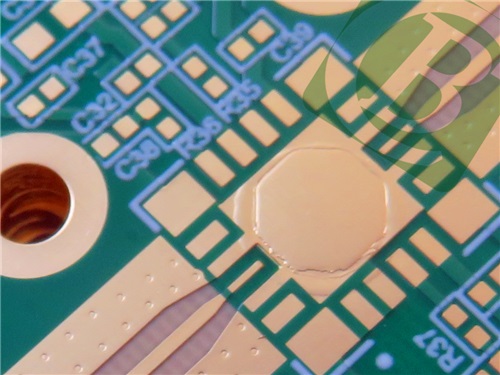
New Battlefield! The Global Competition Over "Circuit Boards" Heats Up 21st Century Business Herald As Tesla’s Robotaxi prepares to hit the roads and smartphone AI assistants grow increasingly "smarter," the circuit boards behind them are undergoing a technological revolution. Since 2025, the PCB (Printed Circuit Board) industry has seen multiple growth drivers—from AI data centers to new energy vehicles, foldable phones to robotics—the upgrade of electronic devices is fueling a surge in PCB demand. Domestic manufacturers are rapidly expanding high-end production capacity, and a "circuit board revolution" is underway. Below is a summary of the industry’s key growth drivers. 1. AI Servers "Devour" Circuit Boards: Costs Triple per Board Inside Nvidia’s AI server factory, the circuit boards are nothing like those in traditional computers—20+-layer "super PCBs" are densely packed with chips, with each board costing three times more than those in conventional servers. This is because AI training requires massive data transfers, pushing PCB layer counts from the traditional 8 layers to 20-30, with materials upgraded to high-speed, low-loss specialty substrates. Broadcom’s latest Tomahawk 6 chip boasts 102.4Tbps bandwidth, requiring even more precise PCB trace designs. Domestic supplier Shengyi Tech’s high-speed copper-clad laminates (CCL) have entered the supply chain, with prices five times higher than standard materials. Our new 6-layer hybrid PCB, built with M6 High Speed PCB material and High Tg FR-4, perfectly fits into this high-speed data transfer trend. It features 4/4 mils minimum trace/space, 0.2mm minimum hole size, and a copper coin embedded in the center for enhanced performance. The Megtron 6 material offers exceptional dielectric properties (DK 3.4 at 1GHz, 0.002 dissipation factor) and supports 4-30 layer designs, while Isola 370HR provides high thermal performance and reliability, making it ideal for complex circuit requirements in AI servers. Leading manufacturers like Shenghong Tech and Wus Printed Circuit already have AI server PCB orders backlogged until Q1 2026, with some running at full 24/7 capacity. Nvidia’s GB200 servers use 6-step 24-layer HDI PCBs, with each unit requiring five times the volume of traditional servers. Ping An Securities Research estimates that global high-layer (18+ layers) PCB output value will grow 41.7% in 2025. 2. Vehicle Electrification Doubles Automotive PCB Value In BYD’s Blade Battery management system,12-layer flexible PCBs and 3OZ heavy copper boards form the core of its electric control system. Engineers at Jingwang Electronics note that the PCB value per new energy vehicle now reaches ¥1,500-2,000—double that of traditional ICE vehicles—while L2+ autonomous driving domain controllers require 16-layer HDI boards, pushing prices above ¥5,000. Tesla’s self-driving control boards use Any-Layer HDI technology with laser-drilled holes as small as 0.1mm. Domestic suppliers’market share has risen from 30...
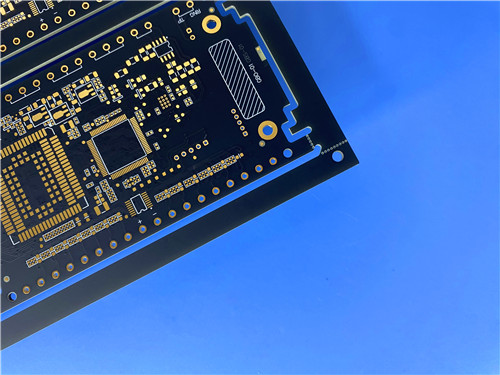
What Are the Future Development Trends of Low-loss Materials? Introduction As the demand for high-frequency, high-speed electronics continues to surge, the role of advanced PCB materials like Megtron 6 (M6) and FR408HR has become increasingly critical. These low-loss laminates are essential for applications in 5G communications, automotive radar, data centers, and aerospace systems, where signal integrity and thermal reliability are paramount. This article explores the future trends of low-loss materials, the technological advancements driving their adoption, and how leading PCB manufacturers are leveraging these materials to push the boundaries of performance. Additionally, we highlight our latest 6-layer Megtron 6 PCB, engineered for high-frequency and high-speed applications, as a prime example of next-generation PCB solutions. The Growing Importance of Low-Loss Materials Why Megtron 6 and FR408HR? Traditional FR-4 materials, while cost-effective, struggle with dielectric losses (Df) and signal degradation at high frequencies. In contrast, Panasonic Megtron 6 and Isola FR408HR offer superior electrical properties: Ultra-low dissipation factor (Df): Megtron 6: 0.002 @ 1GHz (vs. ~0.020 for standard FR-4) FR408HR: 0.010 @ 1GHz (optimized for high-speed digital) Stable dielectric constant (Dk): Megtron 6: 3.34 @ 13GHz (minimal variation with frequency) FR408HR: 3.70 @ 10GHz (balanced for digital & RF) Exceptional thermal performance: High Tg (>185°C) and Td (410°C) for reliability in harsh environments These properties make them ideal for 5G mmWave, automotive radar (77GHz), and 400G/800G optical modules, where signal loss and heat dissipation are critical challenges. Market Trends Driving Adoption 1) 5G & mmWave Expansion The rollout of 5G-Advanced and 6G will require even lower-loss materials to support higher frequencies (up to 300GHz). Megtron 6’s low Df (0.0037 @ 13GHz) makes it a top choice for mmWave antennas and RF front-ends. 2) AI & Data Center Boom AI servers demand ultra-high-speed interconnects (112Gbps+ SerDes). Megtron 6’s low insertion loss is crucial for PCIe 6.0 and 800G optical modules. 3) Automotive Radar & ADAS 77/79GHz radar PCBs require materials with minimal signal distortion. FR408HR offers a cost-effective alternative for mid-range ADAS applications. 4) Aerospace & Defense Satellite communications and phased-array radars need materials with stable Dk/Df across extreme temperatures. Introducing Our Latest Megtron 6 PCB: A Benchmark in High-Speed Design To meet these evolving demands, we have developed a 6-layer Megtron 6 PCB material R-5775G (HVLP) PCB, optimized for high-frequency and high-speed digital applications. Key Specifications: Parameter Details Base MaterialMegtron 6 (M6) R-5775G (HVLP) Layer Count6-layer rigid PCB Dimensions81.9 mm x 53.7 mm (±0.15mm) Min Trace/Space4/5 mils Min Hole Size0.3mm Finished Thickness1.4mm Cu Weight1oz outer, 0.5oz inner Via Platin...

Dragon Boat Festival Holiday Notice & Cultural Introduction Dear Valued Clients and Partners, We would like to inform you that Shenzhen Bicheng Electronics Technology Co., Ltd will observe the Dragon Boat Festival holiday from May 31st to June 2nd, 2025. Normal business operations will resume on June 3rd. During this period, our team will be unavailable for immediate responses, but urgent matters can still be directed to [Emergency Contact Email:j.shi@bichengpcb.com], and we will assist you as soon as possible. We appreciate your understanding and apologize for any inconvenience caused. About the Dragon Boat Festival The Dragon Boat Festival (端午节, Duānwǔ Jié), celebrated on the 5th day of the 5th lunar month, is one of China’s most traditional festivals with over 2,000 years of history. It honors the patriotic poet Qu Yuan and promotes cultural heritage through: Zongzi (Sticky Rice Dumplings)–Families enjoy pyramid-shaped glutinous rice wrapped in bamboo leaves, with sweet or savory fillings. Dragon Boat Races–Vibrant competitions symbolize the rescue attempt of Qu Yuan, featuring rhythmic paddling and drumbeats. Herbal Sachets & Realgar Wine–These customs ward off evil spirits and diseases, reflecting ancient health practices. We wish you a joyful holiday filled with warmth and tradition! Thank you for your continued trust in Bicheng Electronics. Shenzhen Bicheng Electronics Technology Co., Ltd
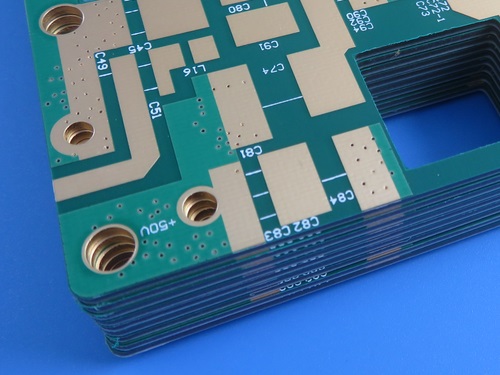
AI Computing Revolution Drives Unprecedented Transformation in High-Frequency PCB Market The global printed circuit board industry is experiencing its most significant technological and financial transformation in decades, as explosive demand for artificial intelligence computing power reshapes market dynamics and technical requirements. This comprehensive report examines the current market landscape, financial impacts on leading manufacturers, evolving technical specifications, and howBicheng's newly shipped RT/duroid 5880 high-frequency PCBs are positioned to address these industry changes. Section 1: Unprecedented Market Growth Driven by AI Computing The PCB sector is witnessing extraordinary financial performance across the board, with Chinese manufacturers leading the charge: Record-Breaking Financial Results: Shengyi Technology (300476) reported Q1 2025 net profits between 780-980 million yuan, representing staggering year-over-year growth of 272-367% - a historic high for the company since its establishment Wus (002463) posted expected profits of 720-820 million yuan, reflecting healthy growth of 40-59% YoY Industry-wide data shows 96% of listed electronics companies have projected positive Q1 earnings Analyst Perspectives: "The AI industry's high-growth phase is still in its early stages," emphasizes Li Qiusuo, Chief Domestic Strategist at China International Capital Corporation (CICC). "We're observing profitability gradually materialize across the entire value chain from computing infrastructure to application layers, with PCB manufacturers being the first beneficiaries." This sentiment is supported by market data showing the global high-performance PCB market is projected to grow at a CAGR of 12.3% from 2025-2030, significantly outpacing traditional PCB segments. Section 2: Technical Revolution Reshaping PCB Standards The AI computing boom is fundamentally transforming PCB requirements and manufacturing standards: Key Technical Shifts: Layer Count Revolution: AI server applications now routinely require 16+ layer boards, compared to 8-12 layers for conventional servers Precision Demands: Impedance control tolerances have tightened from±10% to±3% in critical applications Thermal Challenges: Power densities in AI processors are driving need for advanced thermal management solutions Signal Integrity: Ultra-low loss materials are becoming critical for high-frequency performance Reliability Requirements: Mean time between failures (MTBF) expectations have increased by 3-5x for data center applications "AI servers require PCBs with unprecedented performance characteristics," explains Kuai Jian, Senior Electronics Analyst at Orient Securities. "The market is driving demand for higher density designs, faster transmission speeds exceeding 112Gbps, and more sophisticated thermal solutions that can handle 500W+ GPU modules." Section 3:Bicheng's Strategic Response with RT/duroid 5880 Solutions In direct response to these industry developments,Bich...
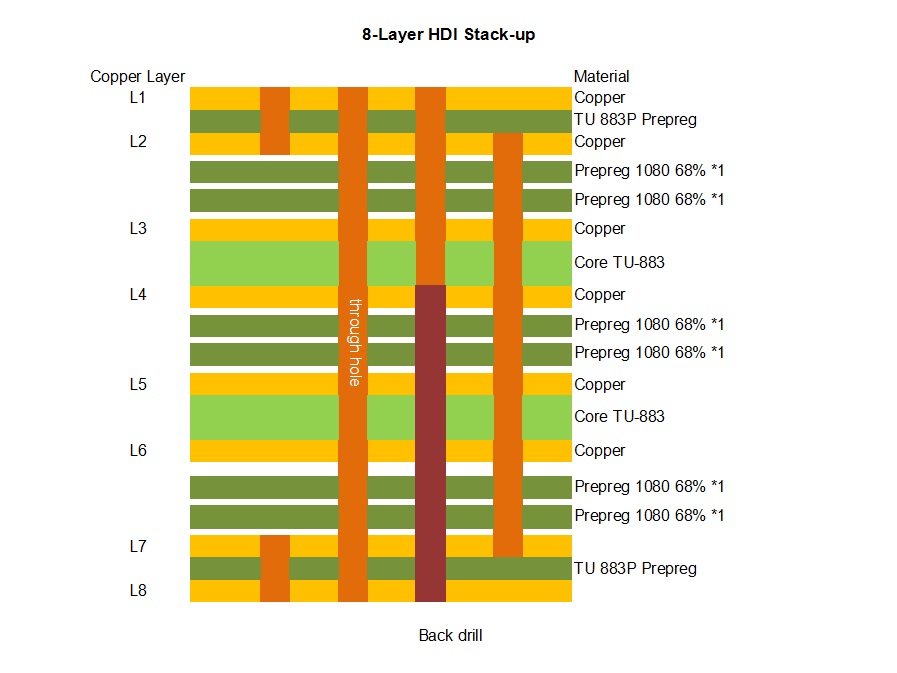
AI Servers, Robotics, and Cutting-Edge HDI Technology Drive Demand The printed circuit board (PCB) industry is undergoing a transformative phase, driven by the rapid advancements in artificial intelligence (AI), robotics, and high-performance computing. As global demand for advanced PCBs surges, companies are racing to innovate and deliver solutions that meet the stringent requirements of next-generation technologies. Among these, HDI (High-Density Interconnect) PCBs have emerged as a critical enabler, particularly in AI servers, robotics, and telecommunications. Our company is proud to announce the successful shipment of our latest 8-layer HDI PCB, manufactured using TU-883 material, a high-performance laminate designed for high-speed, low-loss applications. This product exemplifies our commitment to pushing the boundaries of PCB technology, catering to the ever-evolving needs of the electronics industry. AI Servers and High-Performance Computing: A Catalyst for PCB Growth The AI revolution is reshaping the PCB landscape, with AI servers demanding PCBs that offer unparalleled performance, reliability, and density. According to recent industry reports, the global AI server PCB market is projected to grow from 5.8 billion in 2024 to 14.5 billion by 2028, driven by the exponential growth in AI workloads and data center expansions. One of the key drivers of this growth is the increasing adoption of NVIDIA’s GB200 NVL72 architecture, which requires PCBs with advanced capabilities, including high-layer counts (24-40 layers) and sophisticated HDI technology. Our company has been at the forefront of this trend, achieving a significant milestone by becoming one of the first manufacturers globally to mass-produce 28-layer accelerator card PCBs using 5th and 6th-order HDI technology. In the latest quarter, our AI server PCB shipments, including products designed for NVIDIA’s GB200, exceeded $2 billion, with high-layer count andHDI boards accounting for 75% of the total revenue. Looking ahead, NVIDIA’s GB200 is expected to ship over 1 million units by 2025, representing nearly 40-50% of its high-end GPU shipments. This surge in demand underscores the critical role of advanced PCBs in enabling the next wave of AI innovation. Next-Generation Materials: PTFE and TU-883 Leading the Way As AI and high-performance computing push the limits of PCB technology, material innovation is becoming increasingly important. NVIDIA’s upcoming GB300 architecture is expected to adopt PTFE (Polytetrafluoroethylene) hybrid PCB, which offer superior dielectric properties, including a dielectric constant of 2.1 and a dissipation factor of <5×10⁻⁴. These characteristics make PTFE an ideal choice for high-frequency and high-speed applications. In parallel, our newly shipped 8-layer HDI PCB leverages TU-883 material, a high-performance laminate renowned for its low dielectric constant (3.39 @ 10GHz...
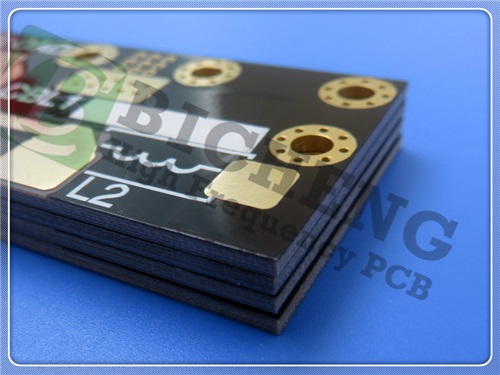
The Future of High-Frequency PCBs–Trends, Challenges, and Innovations The global PCB industry is undergoing a transformative phase, driven by the rapid adoption of advanced technologies such as 5G, IoT, and satellite communications. Over the past six months, several key trends have emerged, shaping the future of high-frequency PCBs and creating new opportunities for manufacturers and suppliers. As a leading player in the high-frequency PCB market, we are at the forefront of these developments, delivering cutting-edge solutions to meet the evolving demands of industries such as aerospace, telecommunications, and defense. Industry Trends Shaping the High-Frequency PCB Market 1. 5G Expansion and Beyond The rollout of 5G networks continues to accelerate worldwide, with countries investing heavily in infrastructure to support faster data speeds and lower latency. This has created a surge in demand for high-frequency PCBs capable of handling higher frequencies with minimal signal loss. According to recent reports, the 5G PCB market is expected to grow at a CAGR of over 15% through 2028, driven by the need for advanced materials and innovative designs. 2. Satellite Constellations and Space Exploration The rise of satellite constellations for global connectivity and space exploration has significantly increased the demand for high-reliability PCBs. These applications require materials that can withstand extreme temperatures, radiation, and mechanical stress while maintaining stable electrical performance. The growing interest in low Earth orbit (LEO) satellites and deep-space missions has further emphasized the need for robust PCB solutions. 3. Military and Defense Modernization Governments worldwide are investing in the modernization of military and defense systems, including radar, communication, and surveillance technologies. High-frequency laminates PCBs play a critical role in these systems, enabling precise signal transmission and reception. The demand for lightweight, durable, and thermally stable PCBs in this sector is expected to remain strong in the coming years. 4. Sustainability and Material Innovation As the industry moves toward more sustainable practices, there is a growing focus on developing eco-friendly materials and manufacturing processes. Manufacturers are exploring ways to reduce waste, improve energy efficiency, and use recyclable materials without compromising performance. This trend is particularly relevant in the high-frequency PCB segment, where material properties are critical to performance. Innovations in High-Frequency PCB Materials In response to these industry trends, we are proud to introduce the F4BTMS series, a next-generation material designed to meet the demanding requirements of modern high-frequency applications. Building on the success of our F4BTM series material, the F4BTMS1000 incorporates advanced ceramic and glass fiber technologies to deliver superior performance in aerospace, telecommunications, a...
Categories
New Products
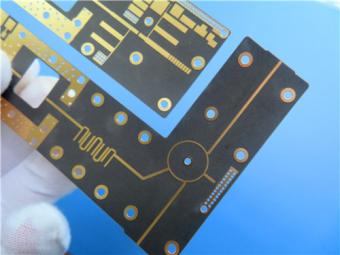
Wangling F4BTMS220 2-Layer DK2.2 PCB 10 mil Core with Immersion Gold
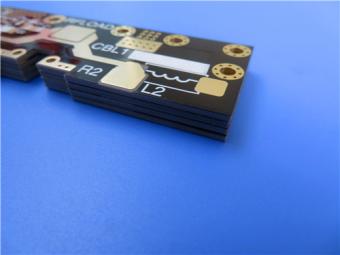
Wangling F4BTME350 10mil DK3.5 High Frequency Substrate PCB 2-Layer Immersion Gold
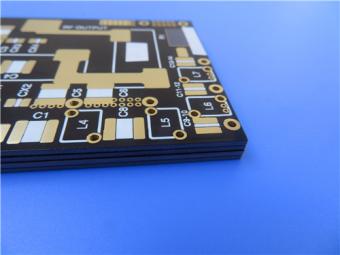
Wangling F4BTM300 Custom 2-layer PCB 20mil DK3.0 Substrate with Immersion Gold
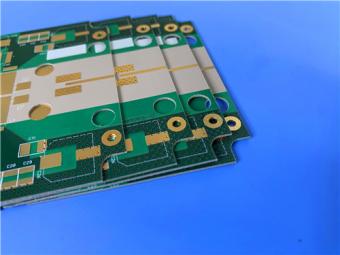
Rogers 20mil RT/duroid 6202 2-layer ENIG High-Frequency Microwave PCB
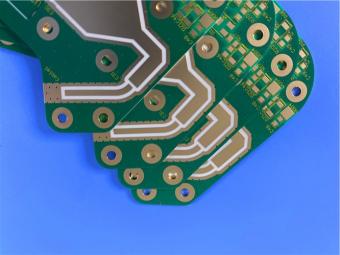
Rogers 20mil AD250C PCB Pure Gold High-Frequency Antenna Circuit Board
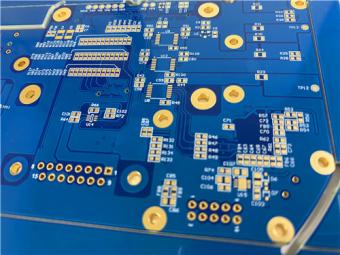
8-Layer Hybrid RF PCB: RO4350B + TG170 FR-4 + RO4003C with RO4450F Bondply
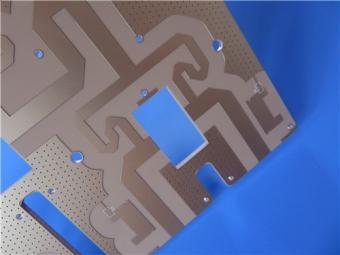
4-Layer Rogers RO3010 Hybrid PCB Immersion Silver 2.8mm Finished Thickness
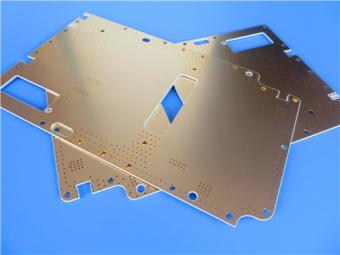
4-Layer 20mil Rogers RO3210 ISIG High-Frequency PCB with Controlled Depth Milling
 6-11C Shidai Jingyuan, Fuyong, Baoan, Shenzhen, Guangdong, China 518103


For inquiries about our products or pricelist, please leave to us and we will be in touch within 24 hours.
© Copyright: 2026 Shenzhen Bicheng Electronics Technology Co., Ltd.. All Rights Reserved.

IPv6 network supported


