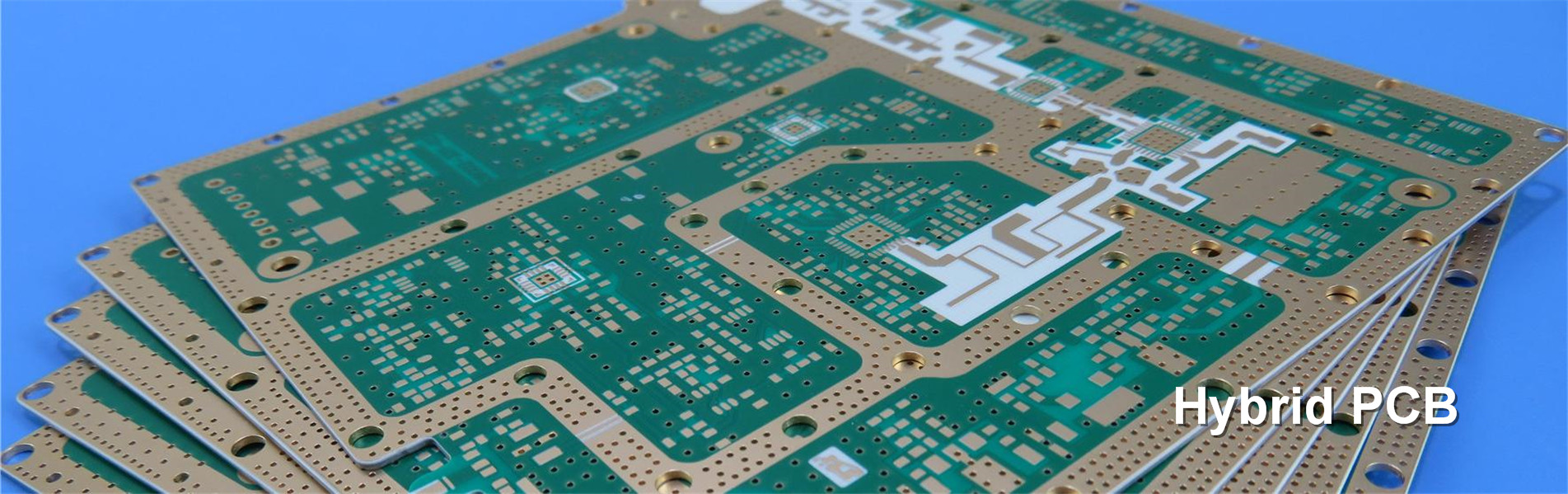

 Call Us Now !
Tel : +86 755 27374946
Call Us Now !
Tel : +86 755 27374946
 Order Online Now !
Email : info@bichengpcb.com
Order Online Now !
Email : info@bichengpcb.com
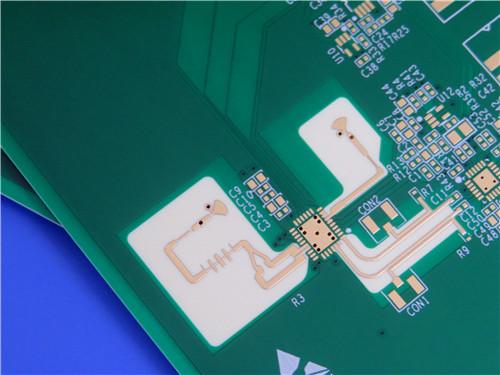
This 4-layer hybrid PCB design leverages the best attributes of RO4003C and FR4 materials, providing a superior balance of high-frequency signal integrity, thermal-mechanical reliability, and cost-effectiveness.
Item NO.:
BIC-553-v638.0Order(MOQ):
1-10Payment:
T/TProduct Origin:
ChinaShipping Port:
ShenzhenLead Time:
7-10 days
4-layer RO4003C+TG175 FR4 Hybrid PCB 1.4mm Finished Board Thick ENIG
Overview
This 4-layer hybrid printed circuit board (PCB) integrates Rogers RO4003C high-frequency hydrocarbon ceramic laminate andhigh-temperature TG175 FR4 epoxy glass laminate, engineered for demanding radio frequency (RF), microwave, and broadband communication applications that require both superior high-frequency electrical performance and reliable structural stability in standard PCB assembly environments. Built to IPC Class 3 acceptance standards, the board delivers consistent signal integrity, low insertion loss, stable dielectric properties, and robust mechanical durability for high-reliability industrial, communication, and automotive radar systems.
With optimized layer stacking, precision manufacturing, and strict quality control, this hybrid PCB resolves the traditional trade-off between high-frequency signal performance and cost-effective mass production, making it a preferred solution for base station antennas, power amplifiers, automotive sensors, and satellite communication modules.
PCB Construction Details
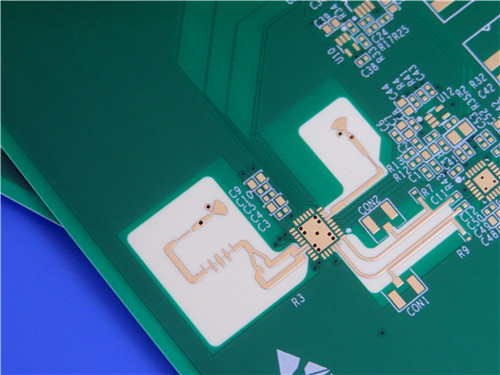
This section summarizes the core physical and processing specifications of the 4-layer hybrid PCB, covering base materials, dimensions, copper thickness, plating, surface treatment, and quality compliance.
|
Item |
Specification |
|
Base Material |
Rogers RO4003C + TG175 FR4 Hybrid Laminate |
|
Layer Count |
4 layers (2 outer layers + 2 inner layers) |
|
Board Dimensions |
200mm × 115mm=1PCS Tolerance: ±0.15mm |
|
Finished Board Thickness |
1.4mm |
|
Inner Layer Copper Weight |
0.5OZ (0.7 mils / 17.5μm) |
|
Outer Layer Finished Copper Weight |
1OZ (1.4 mils / 35μm) |
|
Via Plating Thickness |
25μm |
|
Surface Finish |
Immersion Gold (ENIG), 2μ" (0.05μm) |
|
Solder Mask Color |
Green |
|
Silkscreen Color |
White |
|
Controlled Depth Routing |
Supported |
|
Acceptance Standard |
IPC Class 3 (High Reliability Electronic Products) |
|
Pre-Shipment Inspection |
100% Electrical test used prior to shipment |
PCB Stackup Design
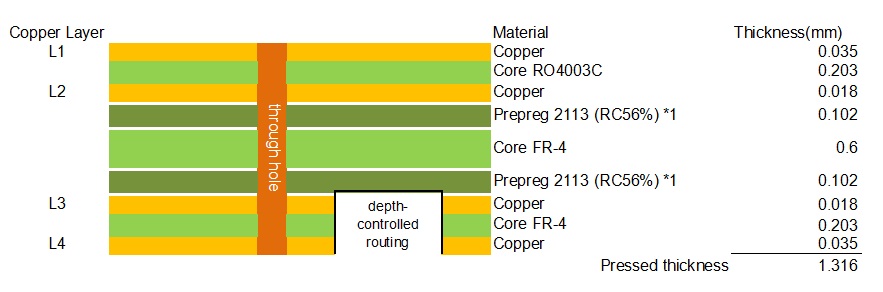
This stackup balances high-frequency signal transmission (using Rogers 4003C) and structural support (using TG175 FR4), with controlled impedance and low Z-axis thermal expansion for stable PTH reliability.
Key Performance Advantages
1. Superior High-Frequency Signal Integrity
The integration of RO4003C ensures a stable dielectric constant (Dk) across 8–40GHz, ultra-low dissipation factor (Df), and minimal insertion loss—critical for maintaining signal purity in 500MHz+ RF and microwave circuits. Unlike standard FR-4, RO4003C exhibits negligible signal attenuation and consistent impedance over temperature and frequency variations, supporting broadband and high-data-rate transmission.
2. Excellent Thermal Stability & Reliability
RO4003C features a glass transition temperature (Tg) exceeding 280°C, while TG175 FR4 offers high thermal resistance up to 175°C. The matched coefficient of thermal expansion (CTE) between RO4003C and copper reduces thermal stress on plated through-holes (PTHs), preventing cracking or delamination during lead-free reflow and thermal cycling. This hybrid structure meets IPC Class 3 requirements for aerospace, automotive, and industrial high-reliability scenarios.
3. Optimized Hybrid Lamination & Process Compatibility
The PCB uses advanced multi-layer bonding technology compatible with both RO4003C and TG175 FR4, avoiding delamination or warping caused by mismatched material properties. All processes—including drilling, desmear, plating, and solder masking—follow optimized parameters for hybrid materials, ensuring consistent quality in mass production. Controlled depth routing supports precise outline forming and miniaturized component assembly.
4. Enhanced Surface Performance & Solderability
Immersion gold surface finish (2μ") provides excellent oxidation resistance, flatness, and long-term solderability, suitable for fine-pitch SMT, BGA, and RF connector assembly. Green solder mask protects circuits from moisture, dust, and mechanical damage, while white silkscreen ensures clear marking for assembly and maintenance.
5. Cost-Effective High-Performance Solution
By using RO4003C only for high-frequency signal layers and TG175 FR4 for inner power/ground layers, the PCB achieves premium high-frequency performance at a lower cost than full high-frequency laminate boards. This design reduces material expenses while retaining critical electrical performance, making it ideal for volume production.
High-Frequency Hybrid PCB: Definition, Advantages & Limitations
What is a High-Frequency Hybrid PCB?
A high-frequency hybrid PCB integrates high-frequency specialty laminates (e.g., Rogers RO4003C, RO4350B) and standardFR4 laminates (e.g., TG130, TG175) in a single stackup. High-frequency layers handle RF/microwave signal routing, while FR4 layers provide structural support, power distribution, and grounding, balancing performance, cost, and manufacturability.
Advantages of Hybrid PCBs
1)Cost Efficiency: Reduces material cost by replacing full high-frequency laminate with FR4 for non-signal layers.
2)Performance Optimization: Preserves low loss and stable Dk for critical signal paths while using FR4 for mechanical support.
3)Manufacturing Compatibility: Supports standard FR4 processes (drilling, plating, lamination) without specialized equipment.
4)Mechanical Stability: FR4 improves rigidity, thermal resistance, and PTH reliability compared to all-high-frequency designs.
5)Design Flexibility: Supports mixed signal, RF, and digital circuits in one board.
Limitations of Hybrid PCBs
1)CTE Mismatch: Different thermal expansion coefficients between high-frequency materials and FR4 may cause warpage during lamination.
2)Processing Complexity: Requires optimized lamination profiles and bonding parameters to avoid delamination.
3)Impedance Control: Needs precise stackup calculation to maintain consistent impedance across hybrid layers.
4)Limited High-Frequency Layer Count: Typically only outer layers use high-frequency material, restricting inner-layer RF routing.
Typical Applications
This 4-layer RO4003C + TG175 FR4 hybrid PCB is designed for mission-critical high-frequency systems:
Rogers RO4003C Copper Clad Laminate (CCL) Full Technical Overview
What is RO4003C CCL?
Rogers RO4003C is a high-frequency hydrocarbon ceramic laminate from the Rogers RO4000 Series, designed as a cost-effective alternative to PTFE-based high-frequency materials. It is a thermoset, rigid laminate reinforced with glass fabric and filled with ceramic particles, delivering exceptional electrical performance while supporting standard FR4 PCB manufacturing processes. Unlike PTFE materials, RO4003C does not require specialized sodium etch or via preparation, making it ideal for volume production ofhigh-frequency PCBs.
Full RO4003C CCL Technical Data Sheet
|
Property |
Typical Value |
Unit |
Test Condition |
Test Standard |
|
Dielectric Constant (Process Dk) |
3.38 ±0.05 |
- |
10GHz, 23°C |
IPC-TM-650 2.5.5.5 |
|
Dielectric Constant (Design Dk) |
3.55 |
- |
8–40GHz |
Differential Phase Length |
|
Dissipation Factor (Df) |
0.0027 |
- |
10GHz, 23°C |
IPC-TM-650 2.5.5.5 |
|
Thermal Coefficient of Dk |
40 |
ppm/°C |
-50°C to 150°C |
IPC-TM-650 2.5.5.5 |
|
Glass Transition Temperature (Tg) |
>280 |
°C |
TMA Method |
IPC-TM-650 2.4.24.3 |
|
Decomposition Temperature (Td) |
425 |
°C |
TGA |
ASTM D3850 |
|
Coefficient of Thermal Expansion (X/Y/Z) |
11 /14 /46 |
ppm/°C |
-55 to 288°C |
IPC-TM-650 2.4.41 |
|
Thermal Conductivity |
0.71 |
W/m·K |
80°C |
ASTM C518 |
|
Volume Resistivity |
1.7×10¹⁰ |
MΩ·cm |
Condition A |
IPC-TM-650 2.5.17.1 |
|
Surface Resistivity |
4.2×10⁹ |
MΩ |
Condition A |
IPC-TM-650 2.5.17.1 |
|
Moisture Absorption |
0.06 |
% |
48h immersion, 50°C |
ASTM D570 |
|
Density |
1.79 |
g/cm³ |
23°C |
ASTM D792 |
|
Copper Peel Strength |
1.05 |
N/mm |
After solder float, 1oz EDC foil |
IPC-TM-650 2.4.8 |
|
Flexural Strength |
276 |
MPa |
Room Temperature |
IPC-TM-650 2.4.4 |
|
Dimensional Stability |
<0.3 |
mm/m |
After etching, 150°C |
IPC-TM-650 2.4.39A |
|
Flammability |
N/A |
- |
- |
UL 94 |
|
Lead-Free Process Compatible |
Yes |
- |
- |
- |
Standard Specifications
Key Processing Guidelines for RO4003C CCL
1)Storage: Store at 10–32°C (50–90°F) with first-in-first-out inventory management.
2)Drilling: Use standard carbide drills; surface speed 300–500 SFM; avoid speeds over 500 SFM; tool life 2000–3000 hits.
3)PTH Processing: Desmear not required for double-sided boards; use alkaline permanganate or plasma desmear for multilayer boards; avoid etchback to prevent resin erosion.
4)Lamination: Compatible with standard thermosetting adhesive systems; follow prepreg bonding parameters.
5)Routing: Use carbide multi-fluted router bits; surface speed <500 SFM; chip load 0.0010–0.0015”/rev.
6)Surface Finish: Compatible with immersion gold, HASL, OSP, and electroplated finishes.
Typical Applications of RO4003C CCL
Conclusion
This 4-layer hybrid PCB design leverages the best attributes of RO4003C and FR4 materials, providing a superior balance of high-frequency signal integrity, thermal-mechanical reliability, and cost-effectiveness. The meticulous construction details, compliance with IPC Class 3, and rigorous 100% electrical testing ensure that this PCB meets the demanding requirements of today's advanced electronic systems. The underlying RO4003C laminate, with its stable Dk, low loss, and FR4-compatible processing, remains a gold standard for engineers bridging the gap between high performance and practical manufacturability.
Previous:
4-layer RT/duroid 5880+TG175 FR4 Hybrid PCB with ENIG Controlled Depth SlotsNext:
4-layer RT/duroid 5880 + TG170 FR4 Mixed Dielectric Material Hybrid PCB ENIGIf you have questions or suggestions,please leave us a message,we will reply you as soon as we can!
Categories
New Products
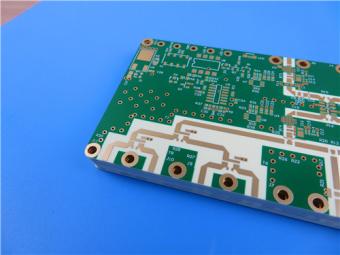
10-Layer RO4350B + TU-768 Hybrid PCB with Via Copper Capped ENIG Surface Finish
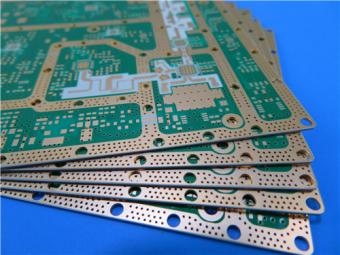
8-Layer 6.6mil Rogers RO4350B + Isola I-Tera MT40 Hybrid PCB 1.636mm Pressed Thickness ENEPIG
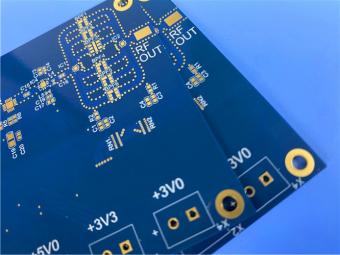
6-Layer 5mil Rogers RO3003 Mixed-Laminated with Isola 370HR 0.82 mm Hybrid PCB with ENIG
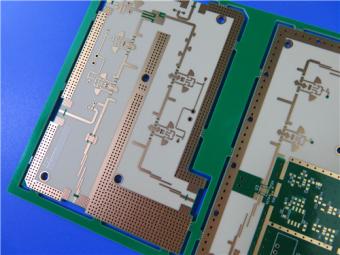
4-Layer 8mil RO4003C + Tg170 FR-4 Hybrid PCB with ENIG — 0.556mm Thin Build
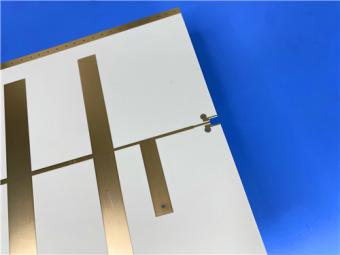
1100 × 350mm Long-Format Rogers RO4003C 32 mil core Double-Sided High-Frequency PCB
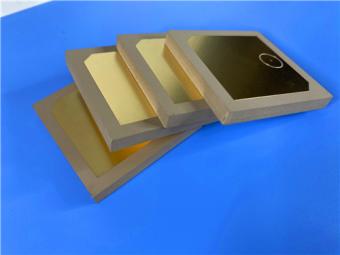
Wangling TP2200 PCB 0.8mm Substrate Immersion Gold 2-Layer High-Dk (Dk 22) RF Board
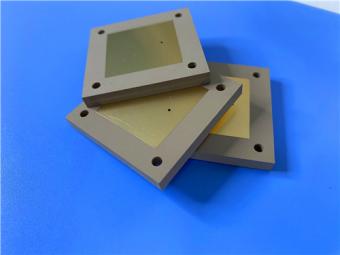
Rogers TMM10 PCB 5.08mm Core ENIG 2-Layer High-Dk Microwave Board
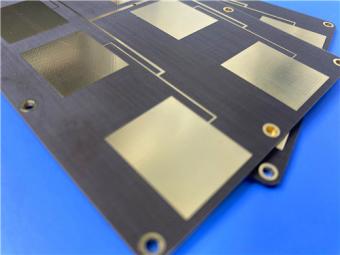
Taconic TLX-8 PCB 50mil ENIG 2-Layer High-Frequency RF Circuit Board
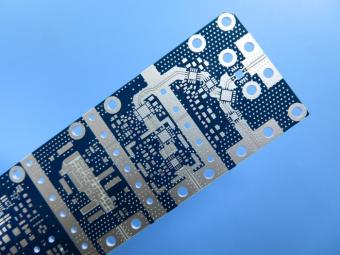
RO4003C exhibit a stable dielectric constant over a broad frequency range. This makes it an ideal substrate for broadband applications. And signal integrity performance improvement over the stack-ups with all FR4 board.
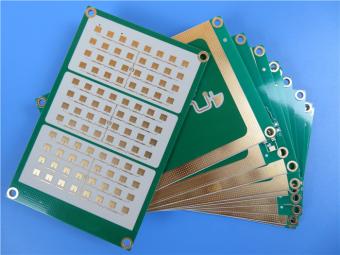
The hybrid PCB can be a mixture of FR-4 and high frequency material, and a mixture of high frequency material with different dielectric constant (DK)
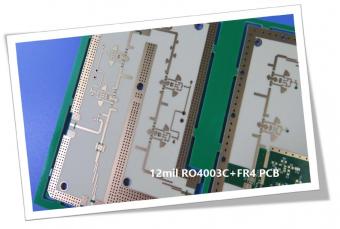
The 12mil core is on the top layer and it mainly plays the roles of signal layer. The core has fixed thickness which is very important to the electrical length of RF lines on the circuit board.
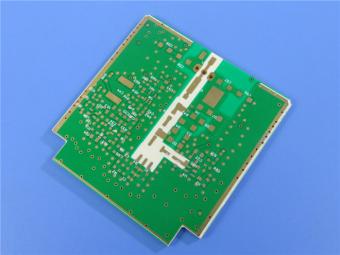
The hybrid PCB can be a mixture of FR-4 and high frequency material as abovementioned.
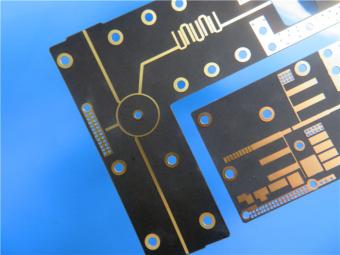
It contains 2 different boards in the panel. PCB boards are manufactured strictly as per required specifications with the standard IPC-Class-II.
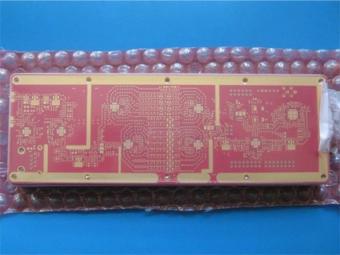
Hybrid PCB is also known as mixed material lamination, it’s normally combined by two different material like FR4 and PI(rigid flex PCB), FR4 and Ceramic, FR4 and Teflon, FR4 and Aluminum base etc.
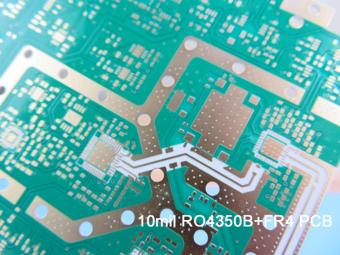
Hybrid constructions PCB typically involve a low loss material such as Nelco or Rogers combined with another core material like FR-4.
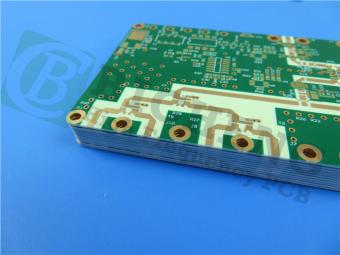
The Hybrid PCB on RO3003 and High Tg FR-4 is a state-of-the-art solution for high-frequency applications. With its exceptional stability, reliability, and manufacturability, it caters to the demands of industries such as automotive, telecommunications, and satellite communications.
 6-11C Shidai Jingyuan, Fuyong, Baoan, Shenzhen, Guangdong, China 518103


For inquiries about our products or pricelist, please leave to us and we will be in touch within 24 hours.
© Copyright: 2026 Shenzhen Bicheng Electronics Technology Co., Ltd.. All Rights Reserved.

IPv6 network supported


